
Posted On : July 8, 2025
Sober Living Houses: A Guide to Finding Support and Resources
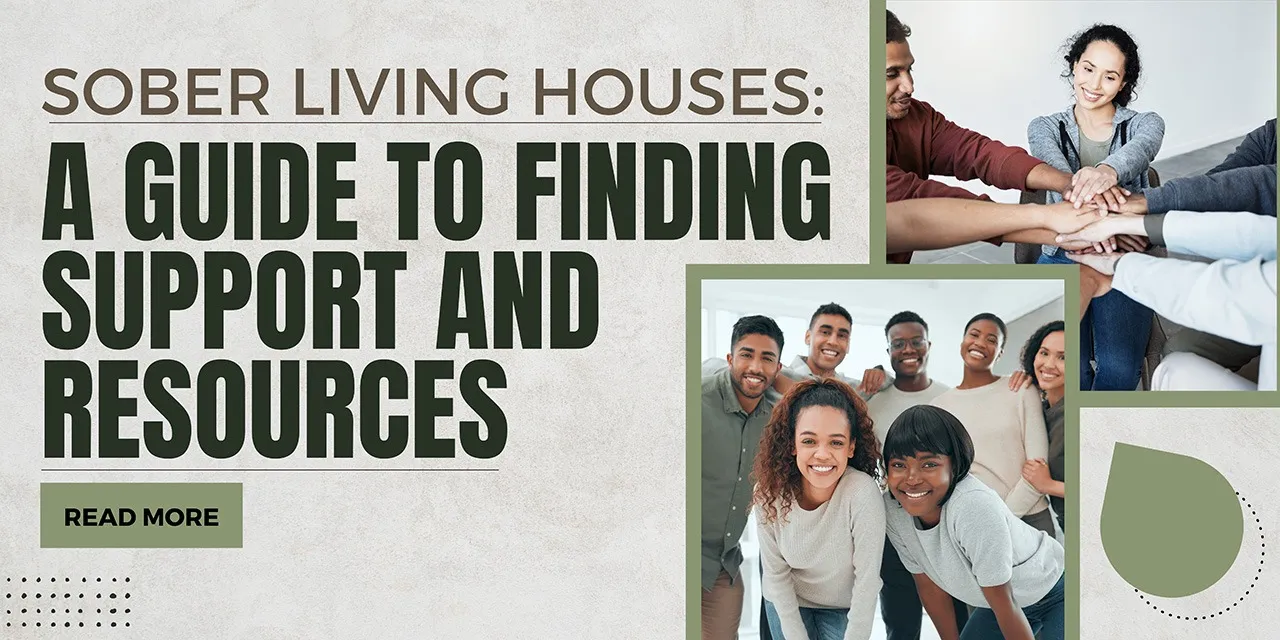
A cure for addiction is not the final day of the final treatment session or discharge from rehab. The after-effects, too, are tough to handle. Most of them cannot handle the intensity of the adjustment and transition phase, so they fall into a perpetual struggle. Sober living homes are helpful here. They offer a sober, clean environment that is a transition from hardcore treatment to complete freedom.
Terms such as “sober living houses” and “best sober living near me” have become popular in realizing the potential of a structured environment. If you or your loved one is thinking of making the transition, knowing what sober living homes do can be useful.
Shared residential settings where there is a combination of freedom and responsibility are sober living homes. All the residents who share accommodation reside there and are expected to remain sober. There is no treatment ever provided within the facility, but the daily routine acclimatizes the individual to living in sobriety one day at a time, from the devastation of addiction.
When you call our helpline, an admissions navigator is there to listen to you, answer any questions you have, and provide the support that you need—all 100% confidentially.
Sober living homes are not rehabs. No therapist is present on the premises 24/7, yet the homes are connected directly to outpatient treatment. Typically, residents go to therapy during the day and return at night, so it’s a simple way to get back to normal life.
Shared living supports social skills
Considering sober living for couples?
A few sober homes do permit couples to reside and recover together, although not all of them. Provided that both members of the couple are devoted to remaining clean, the arrangement can provide solid emotional support throughout recovery.
Not all rules that are couple-friendly in a house

Getting the right place can make your recovery process easier and more tangible, as a couple and as individuals.
We’ll instantly check the coverage offered by your insurance provider.
Searching for the best sober living homes? One thing to remember is that all sober homes are not created equal. Location, staff, organization, and expense must be considered.
All sober homes are not created equal when it comes to support or safety. Your right home is one that is clean, structured, and supportive that is compatible with your recovery goals. The wrong fit can trigger setbacks, but an effectively managed facility boosts your confidence, accountability, and overall progression in long-term sobriety. Be selective, it is all worth it.
A sober living home should be well-run but not stiff. A home where one can really get better and learn.
Rooms are overcrowded with little personal space
Searching for the perfect home can be overwhelming. There are, however, many resources at your fingertips to make it easier.
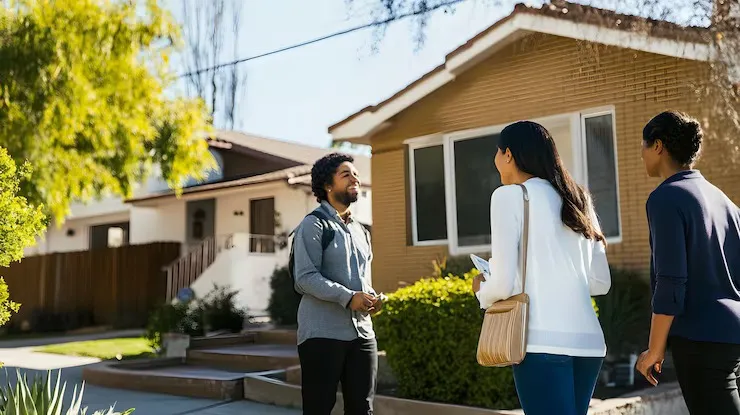
After narrowing down to a few houses, telephone them and inquire about policies, peer relationships, and daily routine. Don’t be in a hurry, your comfort and safety come first.
Sober living is a solid start, but long-term sobriety requires a larger network. Support networks like outpatient counseling, 12-step support, and family counseling all come in handy in maintaining sobriety.
If you’re unsure where to start, Gorehabs.com offers guidance, listings, and recovery resources tailored to your region. They connect individuals to reliable, safe, and empowering sober living homes across the country.
Sober homes provide a reassuring sanctuary for those completing rehab and attempting to remain sober. From routines to socializing with their peers, they are vital to productive sobriety and independence.
If in fact you are searching for sober living homes near me or pondering other alternatives such as sober living for couples, go the extra mile and look, see, and ask. You understand what we’re saying, what’s around you makes or breaks recovery.
Gorehabs is different from the others because it offers top-of-the-line referrals, reviews, and resources to the best sober living near me. Be reasonable and do not hurry and select a house that comes into your routine daily, as well as into your health. A healthful community is a good buddy for your recovery in the long run.