
Posted On : September 3, 2025
Don’t Ignore The Signals: Identifying A Cocaine Overdose In Progress
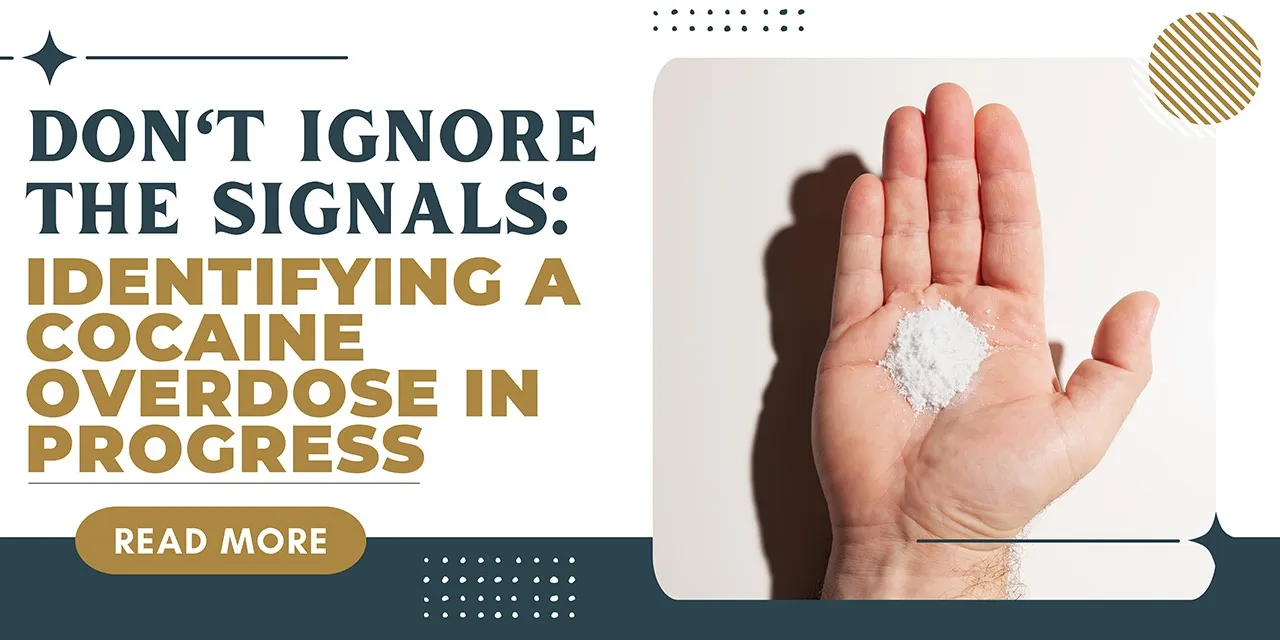
Seconds matter when someone is overdosing on cocaine. The impact of the drug on the system can be fast and sudden, and, many times, deadly. The sooner you realize the symptoms of Cocaine Overdose and respond, the better the chance of survival.
This article will help you learn how the body is affected by cocaine, what the signs of an overdose are, and what you can do right away to save a life.
Whether you’re a friend, a bystander, or someone dealing with drug use yourself, knowing how to identify and respond to an emergency can be lifesaving. Understanding these warning signs isn’t just for medical professionals—it’s vital knowledge for everyone.
When you call our helpline, an admissions navigator is there to listen to you, answer any questions you have, and provide the support that you need—all 100% confidentially.
A cocaine overdose happens when the amount consumed is more than the body can handle in order to perform its functions. The drug begins circulating throughout the blood at toxic concentrations, putting the heart, brain, and other vital organs under intense pressure.
The central nervous system gets overactive and leads to uncontrolled physical and mental reactions. This condition is referred to as cocaine toxicity.
There is no dose that is known to cause an overdose—it may happen without warning, depending on the health, tolerance, or if other drugs such as alcohol were being taken along.
Those who use cocaine become repeatedly tolerant to the drug, thus forcing them to consume larger doses and, hence, unknowingly, expose themselves to harm. Street cocaine is also customarily mixed with other drugs such as fentanyl or manmade stimulants, and this results in the drug having amplified effects and the consequences even more unpredictable.
Cocaine overdose can show up in different ways—some symptoms are clearly physical, while others affect behavior or mental clarity. If you know what to watch for, you can act faster.
Heart-stopping or cardiac arrest
| Type of Symptom | What You Might Notice |
|---|---|
| Physical | Chest pain, fever, tremors, seizures |
| Mental/Behavioral | Hallucinations, confusion, agitation |
| Life-Threatening | Cardiac arrest, stroke, and respiratory failure |
Sometimes it is hard to know whether someone is suffering from a cocaine overdose or alcohol poisoning, especially if they were taken together.
Both diseases appear alike, yet they work differently within the body. Cocaine accelerates; alcohol decelerates. In combination with both being used at the same time, the liver releases a toxin called cocaethylene, making death more likely to occur instantly.
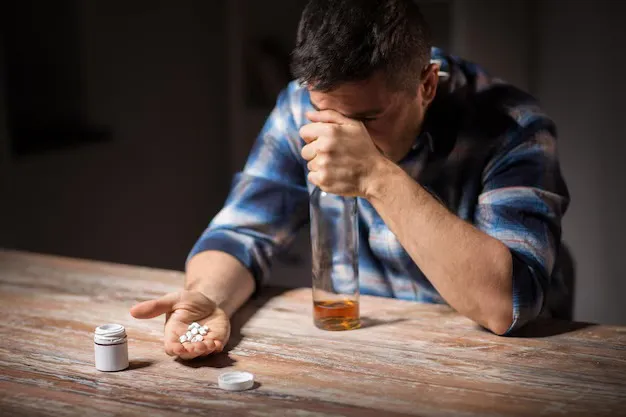
These are normally general symptoms such as confusion, loss of consciousness, or vomiting, and thus the medical responders should be informed about what was used in case you have any idea—this may help them respond appropriately.
Most time, the people consuming the substance are not aware that what they have ingested contains other chemicals. Cocaine is normally cut with illegal drug markets with cheaper, toxic chemicals such as opioids, thus being able to cause respiratory arrest or mixed-drug toxicity.
We’ll instantly check the coverage offered by your insurance provider.
If someone appears to be overdosing, don’t try to handle it alone. Here’s how to respond:
It is scary to intervene, but remaining calm and focused is the most sensible thing to do in order to assist. If you have naloxone and think the overdose is caused by opioids as well (as is likely the case with laced drugs), administering it will give valuable time while waiting for help to arrive.
After emergency treatment is given and the acute danger has passed, the real work starts. Recovery isn’t complete with physical health—it’s also about fixing the reason for drug use in the first place.
Follow-up treatment can include, depending on the circumstances:
The majority of patients feel guilty, shameful, or deny their experience after an overdose. That psychological burden makes it more difficult to seek help, but it is also when it is most likely to be effective. To have support with therapy and structure in place is where the recovery from cocaine toxicity begins.
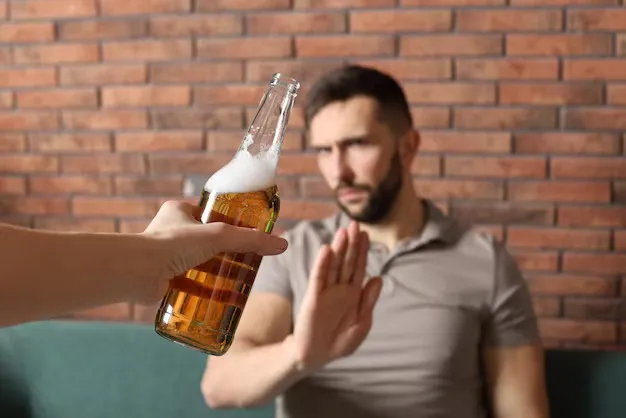
Getting help for addiction is not a sign of weakness. In fact, it’s one of the most courageous decisions someone can make. At GoRehabs, we connect people with programs designed to support people at every stage—from the moment they walk through doors to life after rehab.
Care includes:
We serve individuals across the United States of America. Our goal is simple: to help people rebuild their lives with dignity and strength.
Whether someone has been using for months or years, recovery is always possible. What matters most is finding the right team and support system to walk the path forward.
Signs of cocaine overdose include chest pain, rapid or irregular heart rate, elevated body temperature, seizure, panic attack, confusion, and in extreme instances, shortness of breath or loss of consciousness.
If a person is overdosing on cocaine, he or she might be agitated, breathing heavily, suffering from chest pains or seizures, or becoming unconscious. You cannot be certain, but it is always safest to call emergency services right away.
Call 911 immediately. Attempt to keep the individual awake and calm, and never feed or provide liquids for them to drink. Do not leave them by themselves. Seek medical attention immediately.
Yes, when cocaine and alcohol are combined, they yield a poisonous chemical called cocaethylene. It enhances the risk of heart attack, seizure, and sudden death, even in a healthy person.
An overdose of cocaine occurs when an individual ingests more of the substance than their body can process. It can also occur if cocaine is combined with other substances such as alcohol or opioids, and thus becomes more harmful.
Yes. Following emergency treatment, individuals are typically referred to cocaine addiction rehab facilities for detoxification, counseling, and recovery assistance so they are less likely to have future overdoses.
Recovery time varies for individuals. Some need 30–90 day inpatient care, others can use longer outpatient therapy. Counseling and support are important to maintain sobriety.
You can seek help at rehabilitation facilities for drug addiction. Go Rehabs lists rehab centers that provide detoxification treatment, inpatient and outpatient programs, and relapse prevention therapy.
Overdoses don’t always look dramatic at first, but they can turn deadly in moments. If you ever find yourself in a situation where you suspect someone is overdosing on cocaine, don’t wait. Make the call. Get help.
Recovery is not only possible—it’s within reach. Whether you’ve been through an emergency or you’re concerned it could happen, now is the time to take control.
Gorehabs connects you with compassionate, professional care providers for those ready to move forward. Let today be the first step toward a healthier, safer future.