
Posted On : September 8, 2025
Understanding Ketamine Drug Addiction: Causes, Symptoms, and Treatment
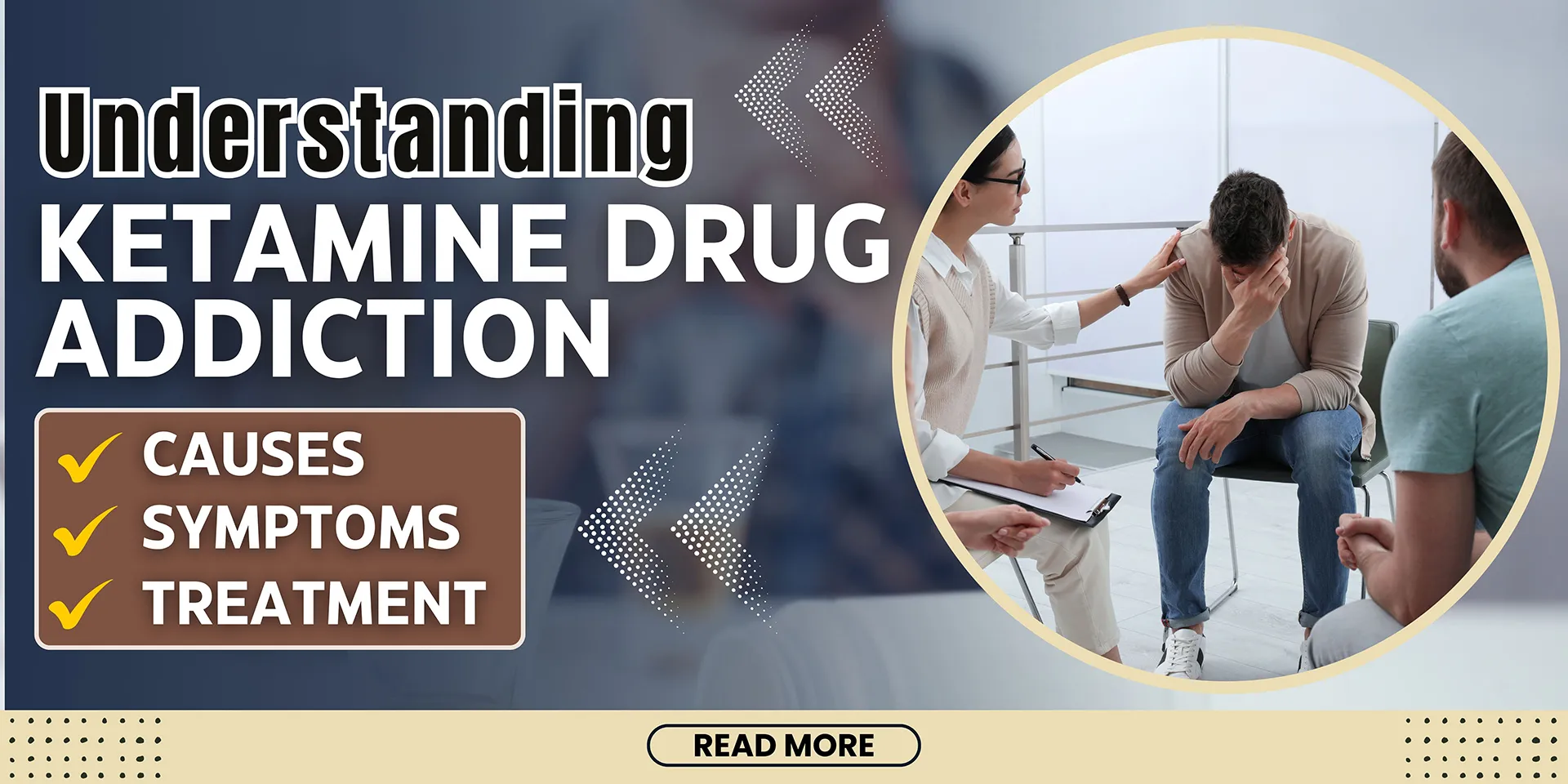
At first glance, ketamine doesn’t seem like something to worry about. Maybe you’ve heard of it in hospitals, helping patients through surgery. Maybe you’ve seen it passed around at parties, treated like a harmless thrill. It wears many faces. But beneath the surface lies a story that’s far more serious than most people realize.
Ketamine drug addiction to the substance is starkly one of the least-discussed but most hazardous concerns of today. Something that begins as an escape or an instant high can gradually become something more difficult to manage. It does not always appear like that at first. That is why it is so difficult to get caught.
If the person you love is acting out or you’re beginning to wonder about your use, this blog is here to provide answers. We’ll dissect what ketamine does to the brain, why others get hooked, the signs you can’t ignore, and how to find help that will stick.
When you call our helpline, an admissions navigator is there to listen to you, answer any questions you have, and provide the support that you need—all 100% confidentially.
Ketamine, a hospital anesthetic, is abused as a “recreational” drug due to its dissociative and euphoric effects. Although its euphoria appears harmless for the time being, its chronic use gets the brain chemistry accustomed to it to the extent that it becomes dependent and induces ketamine drug addiction.
Deprograms the brain and causes dependence with extended use.
Addiction is not a question of bad character. It’s a multifaceted illness, propelled by emotional, social, and even genetic factors. Ketamine is no exception. Individuals don’t intend to become addicted, but situations and vulnerabilities cooperate against them.
These predisposing causes, once understood, are not only important for treating symptoms but also for creating a recovery process that can last and targets the entire individual, not just the behavior.
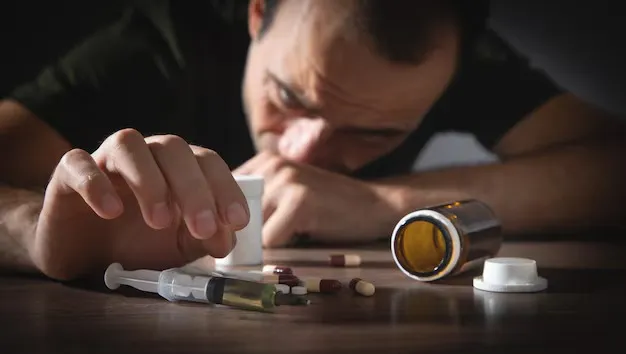
Addiction doesn’t always look like the movies. It could be wearing a grin, being at the office every morning, and sneaking up on a person’s life, but that’s exactly what makes us aware.
If you or someone around you is using ketamine increasingly frequently, the below are warning signs that may signal it’s no longer just a weekend affair:
What’s also frightening is that a lot of these “red flags” are being dismissed or misunderstood. Families may simply dismiss it as “just a phase,” or buddies will assume somebody is being funny. But if all these indications of ketamine addiction are starting to occur, pay attention.
Don’t let it get out of hand. There are treatments for ketamine addiction available, and the more quickly that treatment is provided, the greater the opportunity for complete recovery.
We’ll instantly check the coverage offered by your insurance provider.
Most users begin using ketamine with the attitude, “It’s not so bad—it’s legal in hospitals, for goodness’ sake.” But out of medical context, it’s considerably different from under a doctor’s supervision. Ketamine side effects may be dangerous, particularly in the long term.
These may be cleared in a few hours, but they are also fraught with actual dangers such as accidents, injury, or even overdose.
These symptoms of ketamine use don’t just damage the user. They damage relationships, employment, and mental health. Eventually, the drug that initially became the passport to freedom becomes the passport to prison.
You may have heard of ketamine first through an ICU door or learned about it in reports of depression therapy. Perhaps it happened on a party floor, between strobe lights and thumping bass. It arrives in a multifaceted package – some are beneficial, some are evil.

What no one understands is how quickly ketamine use escalates from recreational to overpowering. Ketamine addiction is becoming more prevalent, particularly among young adults, and it insinuates itself so silently.
This is what makes ketamine so lethal:
One of the biggest obstacles to stopping ketamine is withdrawal. Fear of what happens after the last hit holds many hostage to addiction.
Ketamine withdrawal treatment addresses alleviating the emotional and psychological impact of drug withdrawal. Although the physical symptoms are few, people experience:
It is easy to assume you can just quit cold turkey. But withdrawal is where most people re-start. Which is why professional treatment is key. With ketamine addiction treatment, detoxing is easier, and the transition into counseling is smoother and more successful.
Ketamine drug addiction can begin quietly, but it does not have to leave silently. From the euphoric highs to the agonizing lows, the drug has the ability to take control of lives in ways both visible and invisible. But the damage does not have to be irreparably done.
With good information, with loving care, and the support system that has faith in you, healing not only becomes possible—it is mighty.
You are more than just surviving. You are worth flourishing.
Let Gorehabs assist you today. Call for a confidential consultation, and begin the journey of freedom, health, and a future to be proud of.