
Posted On : September 25, 2025
From Self-Doubt to Self-Confidence: How to Overcome Personality Change depression
We all have distinctive personality traits- this means that everyone comes with a set pattern of behaviors, thoughts, and emotional responses. Because of the traits we have, we are a certain kind of person. But in several cases, it has been seen that it changes. For a lot of people who go through significant life events, mental health conditions, or neurological incidents, personality change depression can become a real and distressing issue. There are shifts in behavior, mood, confidence, and their self-identity goes in for a toss. All this can lead to a cascade of emotional struggles, from anxiety to depression and in some cases even a complete loss of self-worth.
Let us explore how personality shifts—whether it happens from bipolar disorder, stroke, or other causes—can lead to depression. We will also discuss how individuals can move from self-doubt to self-confidence just by taking practical steps and through compassionate support.
When you call our helpline, an admissions navigator is there to listen to you, answer any questions you have, and provide the support that you need—all 100% confidentially.
Personality change depression means that a person experiences depressive symptoms that occur after noticeable shifts in a person’s personality. These changes may happen after a traumatic event or any chronic illness. In some cases, neurological conditions such as stroke or bipolar disorder also lead to personality change and depression. When someone no longer recognizes their emotional responses or behavior, it can lead to a sense of disconnection from their own self. This kind of disconnect often leads to self-doubt and social withdrawal.
Unlike temporary mood swings, personality changes can be long-lasting and deeply affect relationships, work performance, and one’s overall sense of identity.
People with bipolar disorder often experience dramatic shifts in mood, energy, and activity levels. During manic phases, they might appear overly confident, energetic, or even aggressive. In depressive phases, the same individual may become withdrawn, pessimistic, or irritable. Over time, these cycles can alter a person’s behavior, decision-making style, and emotional regulation—leading others to perceive a change in personality.
What’s more difficult is the internal confusion that can come with this. The person may feel like they’re constantly switching between two versions of themselves, leading to identity conflict and eventual depression.
There are profound changes in the brain after a stroke. If there is a stroke in the frontal lobe, this can alter decision-making ability, mood, and impulse control. If there is a stroke in the right hemisphere, you can lose inhibition or emotional restraint.For a lot of stroke survivors, after the physical recovery, accepting reality can be hard. From being calm and optimistic, they can change to angry, fearful, or apathetic, thus feeling like a stranger in their own body.
Sometimes, when there are personality changes, it can lead to feelings of sadness or depression. Here are some signs to watch for:

If you or someone close to you is showing any of these signs—especially after a health problem or big life change—it is very important to talk to a doctor or mental health professional. Getting help early can make a big difference.
We’ll instantly check the coverage offered by your insurance provider.
Rebuilding confidence after a major personality shift is possible, though it is hard. The journey from self-doubt to self-confidence needs a combination of emotional support, professional help, self-awareness, and endurance.
The first step towards getting better is acknowledging that there is a personality change. Now, this could come after a stroke, or from bipolar disorder, or even result from a life event. When you do not accept it, there can be depression. Acceptance opens the door to healing.
When you go to mental health professionals, they can ascertain whether you are dealing with personality change, depression, a mood disorder, or neurological damage. With the right kind of diagnosis, things can be handled.
For stroke survivors, it can help assess cognitive as well as emotional changes. For bipolar personality changes, it is ideal to go for mood stabilization or talk therapy.
CBT is one of the most effective forms of therapy for treating depression as well as identity-related issues. With therapy, people are able to come out of negative thought patterns. They build resilience and acquire new coping strategies. This is particularly helpful for those battling with bipolar-related mood fluctuations as well as post-stroke emotional changes.
People who go through personality shifts require encouragement. They do not need criticism. So, be with people who are empathetic towards your condition and give you motivation to improve.
It is imperative that your family understands your struggle. The road to recovery might be hard, but with people you love, it is an attainable goal.
Here are simple but powerful habits that can help rebuild confidence:
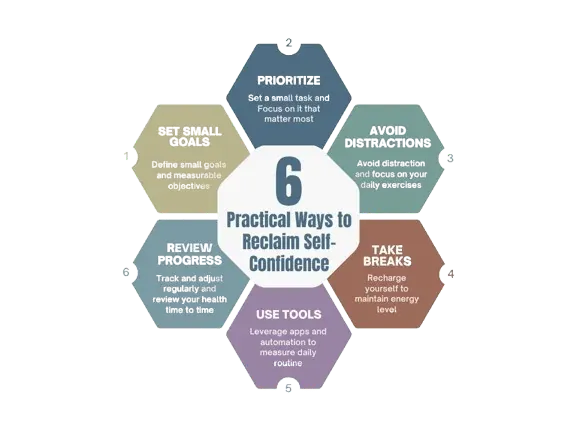
Volunteer or Help Others: When you help others, there will be a shift of focus, and you will be better automatically
Perhaps the toughest part of personality change depression is the feeling that you’ve “lost yourself.” But you need to know that identity is not fixed; it keeps evolving. If you feel trapped in your new self, you have to work to become a better version of yourself.
Communicate with those who have experienced something similar. Read how they recovered. A new hobby can be a help in changing your perspective. Understand that you are more than your behavior, and your loved ones will always love you.
Personality change depression can leave you feeling miserable, especially when it comes after a major health event, such as a stroke or a lifelong condition, such as bipolar disorder. It alters the way not only how others look at you but also what you perceive of yourself.
But with time, therapy, and support from places such as gorehabs.com, a person can move from self-doubt to self-confidence. It will take time, but there is always light at the end of the tunnel. So, if you want to change your life for the better, you will have to take a step towards betterment with gorehabs.