
Posted On : April 11, 2026
Affordable and Effective: Why 30-Day Rehabs Are Gaining Popularity
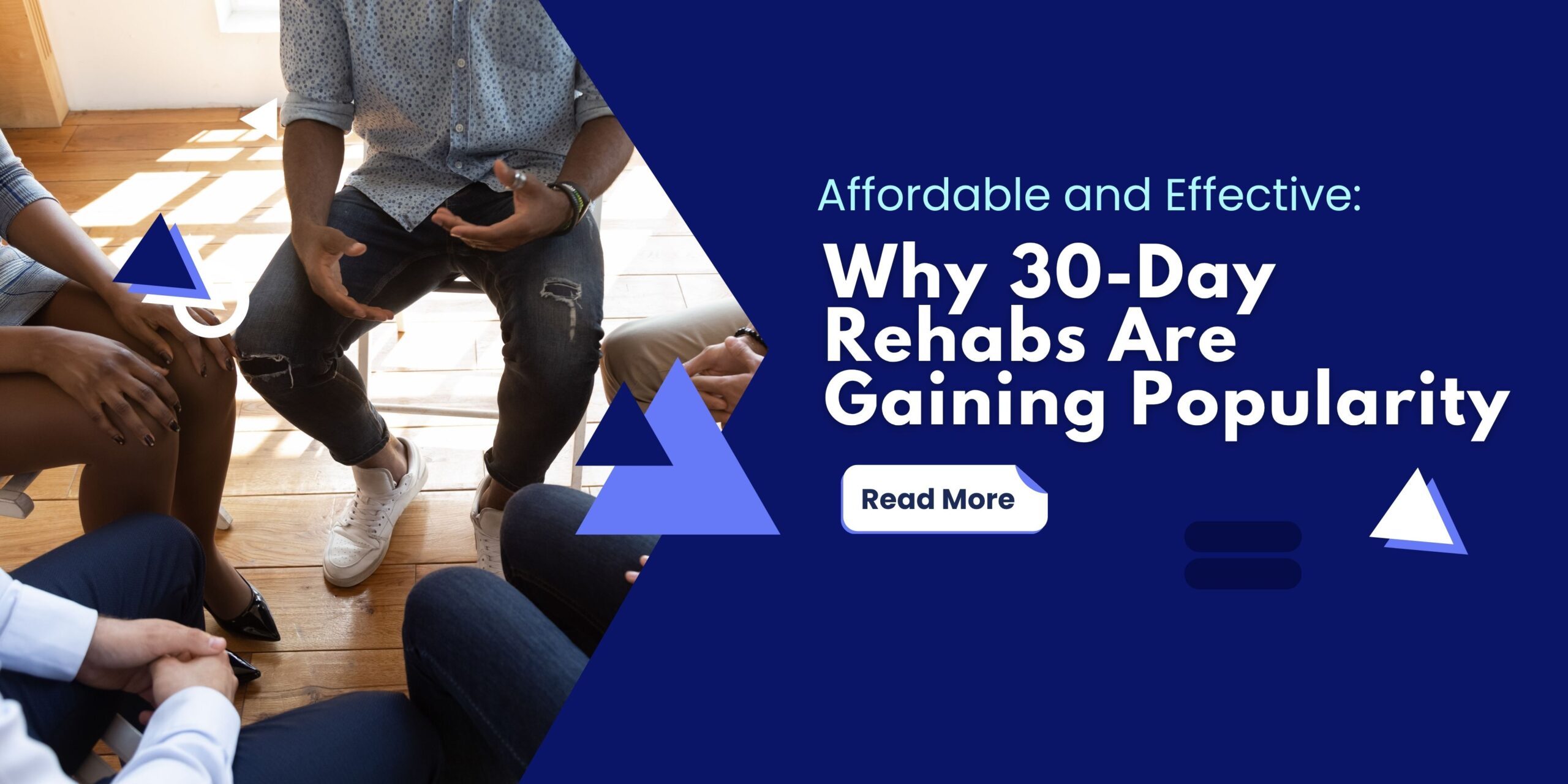
When the word “rehab” is used, you often think of it as a long-term program or a facility that you need to shift to overcome addiction. Now, what if I told you that there is something known as a 30-day rehab? Now you’ll have your mind racing about whether such a thing would be effective. Will it yield results? But in recent years, 30-day rehabs have been gaining significant popularity. The reason behind this is that they are a practical, affordable, yet effective option for those who are seeking recovery from substance use.
For a lot of people and families, this very idea of stepping away for a full 90 days or more can feel impossible. They find it hard to do both financially and logistically. That’s where the 30-day drug treatment programs come in. These shorter-term solutions balance accessibility with impact. They provide structured care to individuals in a timeframe that they find manageable.
When you call our helpline, an admissions navigator is there to listen to you, answer any questions you have, and provide the support that you need—all 100% confidentially.
The traditional model of addiction treatment often emphasized longer stays, so people had to stay in a facility for sometimes six months or even a year. While those programs can be effective, they were not realistic or practical for everyone. A lot of people faced barriers such as:
30-day rehab centers offer a middle ground. They provide a solid foundation for recovery without the need for a long-term separation from daily life. This structure has made them very attractive, especially in the present-day fast-paced world where a lot of short shrift is on flexibility.
There is always a doubt in mind whether these 30-day drug treatment programs actually work or if they are a farce. Let us give you robust reasons why these programs are more effective than you think:
The first 30 days of sobriety are often the most critical. During this period, individuals face withdrawal, cravings, and the mental shift of adjusting to a new lifestyle. When you opt for a structured rehab setting, you get constant support, medical oversight, and accountability, and this is what sets the tone for recovery.
Most 30-day addiction programs begin with detox, a medically supervised process to clear the body of substances safely. By the end of detox, participants are stabilized. They are now ready to focus on therapy, coping strategies, and relapse prevention.
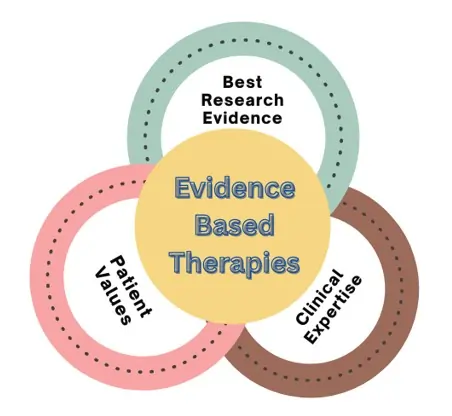
Modern 30-day drug treatment centers usually provide a combination of individual counseling, group therapy, and behavioral approaches. All of these together help people to understand the root cause of addiction. They learn healthier ways to cope.
Even in a month, many people can form strong connections with peers and support groups. These relationships more often than not extend beyond rehab. They provide a critical support system to individuals even when the program ends.
It is a known fact that rehab is not easy on the pocket. You have to spend huge sums of money on long-term inpatient programs. This puts them out of reach for many families. 30-day rehabs are affordable, and so a lot of people get a chance to kick their addiction with these programs.
Insurance companies are also more likely to cover shorter stays, making 30-day drug treatment programs an accessible first step toward recovery. So, even if you have to bear expenses out of your pocket, joining a 30-day rehab is still a doable proposition.
We’ll instantly check the coverage offered by your insurance provider.
While 30-day rehab centers can be effective, they may not be ideal for everyone.
Some groups of people benefit more from these programs.
For those with more severe addictions or co-occurring mental health conditions, a longer-term program might be necessary. But even then, starting with 30 days can serve as a crucial stepping stone.
To give you a sense of what to expect, here’s what a typical day at a 30-day drug treatment program might look like:
The structured routine helps retrain the mind and body, promoting healthier habits that can be sustained after discharge.
Because these programs are shorter, misconceptions often arise. Let’s clear a few up:
One of the most important aspects of a 30-day drug treatment program is the aftercare plan. Recovery doesn’t end when the 30 days are over. Effective centers typically provide:
This continued support helps bridge the gap between inpatient treatment and everyday life, increasing the chances of long-term success.
The growing popularity of 30-day rehab centers is something that is not by accident. They strike a balance between effectiveness, affordability, and accessibility. Now these are things that are very important when they are commencing their recovery journey.
For a lot of people, committing to 30 days feels doable. It is a manageable step that offers a strong foundation without feeling overwhelmed. And once that first step is taken, the path to long-term recovery becomes clearer and more attainable.
Addiction recovery is not one-size-fits-all. Some people may need months of intensive care, while there are others find a 30-day addiction program suitable. It gives them the structure and support to begin a new life.
If you or a loved one is struggling with substance use, you must give a 30-day drug treatment plan a try. It is an affordable, effective, and life-changing solution that you have been searching for.