
Posted On : August 22, 2026
LGBTQ+ Community Rehabs: Addressing Minority Stress and Its Role in Addiction
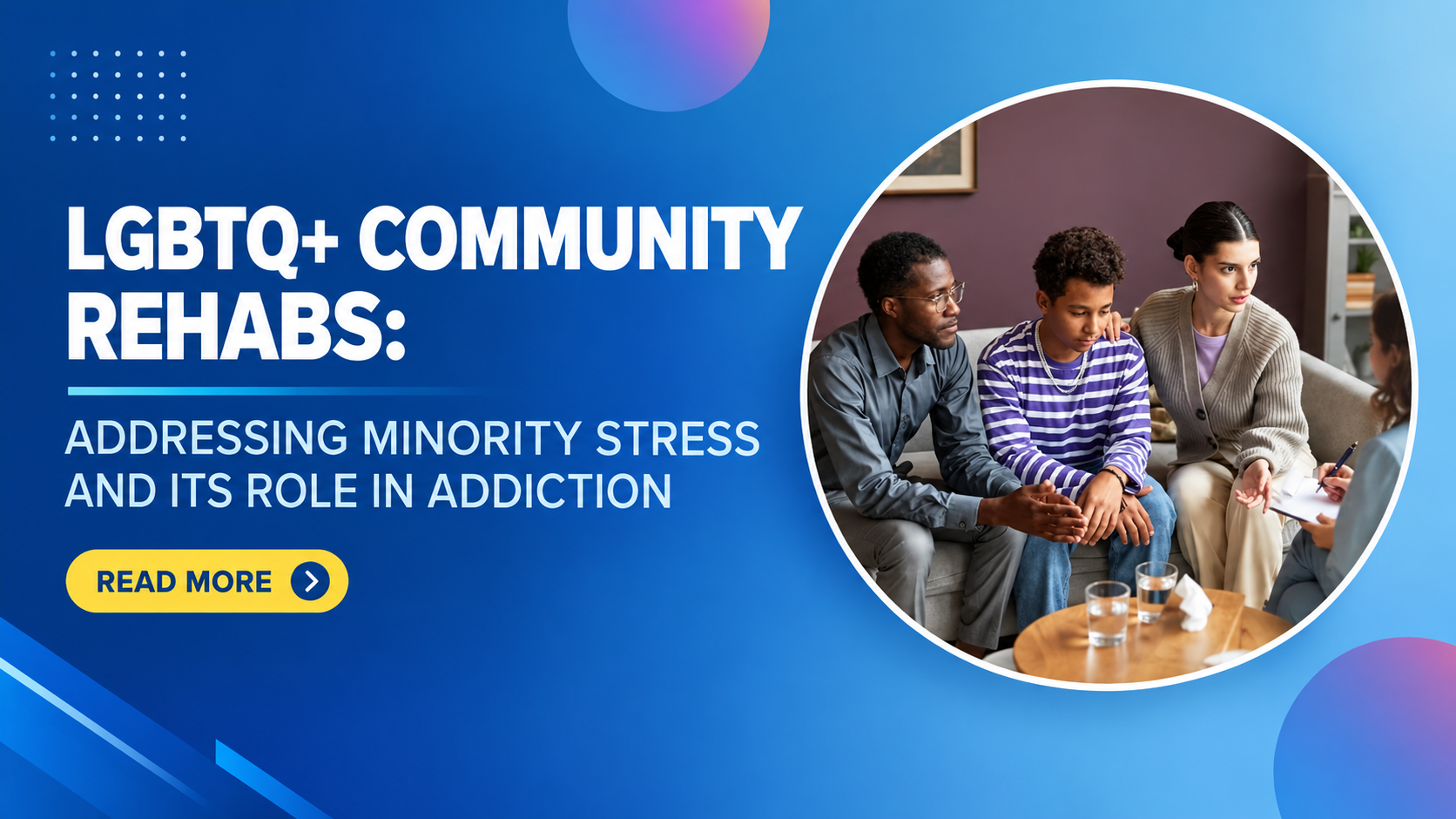
Addiction does not spare anyone. Whether it is a man, a woman or any member of the LGBTQ+ community, anyone can fall prey to addiction. There are LGBTQ+ Community Rehabs that specifically deal with people of the community. As a matter of fact, the LGBTQ community is more prone to addiction and substance abuse than anyone else. This is because these people face a lot of stigma and judgment. In many cases, their own family does not accept them, and all this makes them more susceptible to addiction.
When a member of the LGBTQ+ community seeks treatment at a facility, the staff, as well as the trained professionals at the facility, go to great lengths to ensure that the patients attain sobriety. Recovering from substance use can feel less overwhelming when you’re in a place where both the staff and the people around you understand your experiences. When a person feels accepted and supported, it can make a real difference throughout the recovery process. There are several treatment options available, such as detox programs, inpatient and outpatient care, medication-assisted treatment, and behavioural therapies. The patient is administered treatment as per his or her needs at the LGBTQ-friendly rehab near me.
The LGBTQ+ community basically includes people with a wide range of sexual orientations. So, somebody could be gay or a lesbian, bisexual, queer, asexual, etc. Now, in this community, addiction is rampant. Addiction is a disease. It does not mean that you have morally failed at something and for this you need to be ostracised from the community. And for this purpose, there are LGBTQ+ rehabs where, with proper attention and care, a person can come out of his/ her addiction and turn sober.

These rehabs are places where you get a safe environment for treatment. There is no discrimination and stigma involved, and this accelerates the recovery process. Reports have proven that alcohol and substance abuse are much higher in the LGBTQ+ community. The members of this community have to deal with a lot of harassment and abuse. So, for them, a safe place to receive treatment is absolutely important.
Specialised addiction treatment programs designed for LGBTQ+ individuals create a supportive and welcoming environment where people can feel safe discussing their experiences without any fear that they will be judged or discriminated, Unlike general rehabilitation programs, when a person goes to a LGBTQ+-affirming treatment, he/ she feels that there will be a complete focus on issues that may contribute to substance use within this community. For example, a person struggling with addiction because of the emotional impact of coming out or facing rejection from family may feel more comfortable sharing these experiences with counsellors who understand their situation. This sense of acceptance from the counsellors helps such a person feel confident about the recovery process.
In addition to handling substance use and alcoholism, LGBTQ+ Community Rehabs are equipped to recognise and offer the right kind of treatment for co-occurring mental health conditions. Now this could be depression or anxiety, or maybe anything else. These are more commonly seen among LGBTQ+ individuals because of the ongoing social pressures as well as discrimination. When they get compassionate and inclusive care at the LGBTQ+ Rehabs, their journey to sobriety becomes faster.
When you call our helpline, an admissions navigator is there to listen to you, answer any questions you have, and provide the support that you need—all 100% confidentially.
When a member of the LGBTQ+ community joins an inpatient program, they have to stay at a residential facility so that there can be complete focus on recovery. During treatment, they live at the rehabilitation facility where they receive round-the-clock care from trained people.
One of the biggest benefits of inpatient treatment is that it removes people from everyday situations that may trigger substance use. When a person puts all his energies and concentration on healing in a structured environment, there are sure-shot positive outcomes. Although inpatient care is often recommended for people with severe addiction, it can be helpful at any stage of recovery.

The length of inpatient treatment depends on the needs of the patient. Once a person completes the residential treatment, the individual can continue the recovery through outpatient care or move into a sober living home for additional support.
Outpatient treatment offers many of the same services as inpatient care but allows individuals to continue living at home. This option is ideal for people who need to balance recovery with work, school, or family responsibilities.
There are different types of outpatient programs based on the level of support required. Standard outpatient treatment usually involves regular counselling sessions each week. Intensive Outpatient Programs (IOPs) require more frequent visits and additional therapy hours, while Partial Hospitalisation Programs (PHPs) provide the highest level of outpatient care, with treatment taking place for several hours a day on most weekdays.
Outpatient care is generally more affordable than residential treatment, making it a practical choice for many people while still providing effective support.
After completing a rehabilitation program, some individuals choose to live in an LGBTQ+-friendly sober living home. At such homes, they get a safe, substance-free environment. This way, they continue to build healthy habits while slowly returning to their everyday life.
People who live in sober housing are expected to remain drug- and alcohol-free. They need to follow the house rules. They can work, study, or rebuild their independence, but at the same time, they get ongoing support. Most of the sober living homes encourage residents to continue attending outpatient treatment or get individual counselling. They also promote peer support meetings. All such things ensure that people remain sober.
Mental health care holds a significant role in addiction recovery. Many people with substance use disorders also experience conditions such as anxiety, depression, bipolar disorder, post-traumatic stress disorder. Treating both addiction and mental health concerns at the same time often leads to better recovery outcomes.

LGBTQ+ individuals are more likely to experience mental health challenges because of discrimination, stigma, social rejection, and other life stressors. These experiences can increase the risk of both substance use and emotional distress. For this reason, LGBTQ+-affirming treatment programs focus on both mental health and addiction, helping individuals develop healthier coping skills and achieve long-term recovery. For the best kind of treatment facilities, log in to gorehabs.com, and you will get to know about the best facilities near you.
In many cases, it is seen that people of the LGBTQ+ community do not get the right kind of help that enables them to overcome addiction. There can be multiple factors for it. But if they go to an LGBTQ+ rehab, they get the necessary support and guidance for sober living.
There is no fixed time that a person has to undergo the treatment for. Depending upon the severity of the case and the needs of the patient, the treatment duration can vary
Yes, people can return to their normal life and recover fully post-treatment.