
Posted On : September 5, 2026
Treatment for Veterans: Why Dual Diagnosis Care is Critical for PTSD
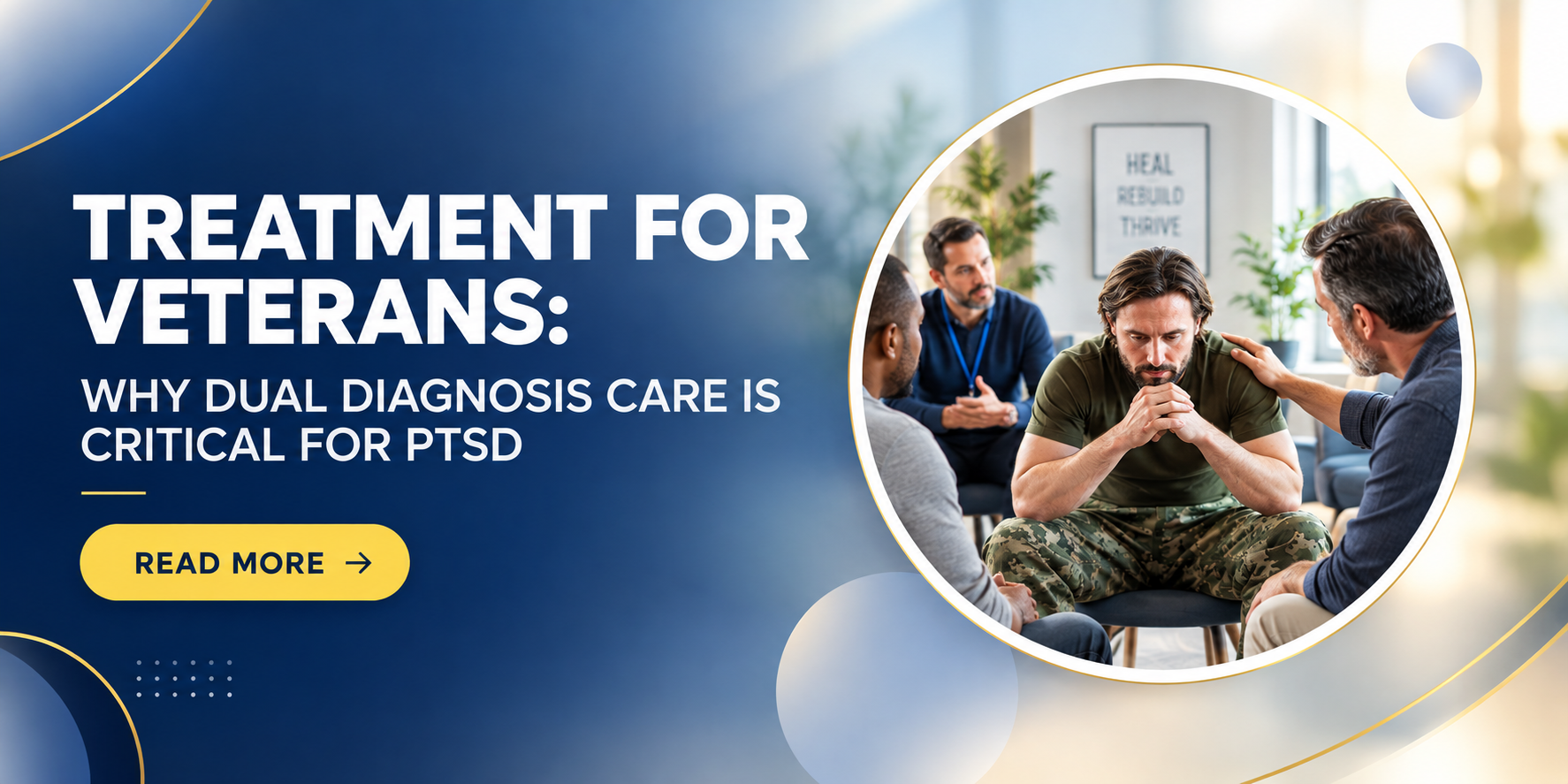
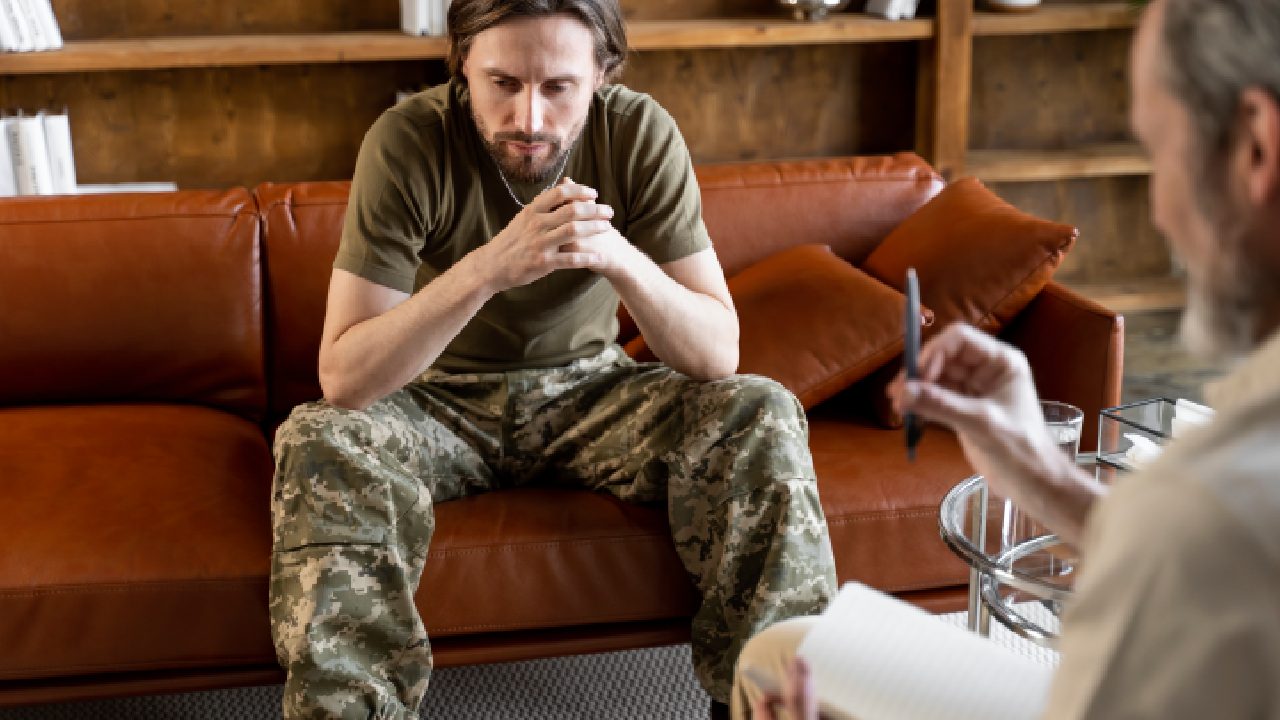
It is not just the young people who are vulnerable to fall into addiction, and so they need to go to an alcohol and drug rehab. People who have served in the Armed Forces and, face highly stressful environments and trauma are also vulnerable for substance abuse. Years of stress and trauma leaves an indelible mark on their mind and body that sometimes leads to alcoholism, PTSD and other serious conditions this is what causes such people to need rehab. For such people, there is treatment for veterans.
Such rehabs understand their problems and help them come out of it by offering the right kind of treatment. The rehab for veterans cannot be the same as the treatment for other people. They need dual diagnosis care because of their post-traumatic stress disorder.
The stress and the tension that a member of the Armed Forces faces are simply incomparable to the stress of a normal person. Now, all this puts them in a high-risk situation, which makes them more prone to substance addiction or alcohol addiction than anybody else.
When you call our helpline, an admissions navigator is there to listen to you, answer any questions you have, and provide the support that you need—all 100% confidentially.
Stress is something that can breed addictive behaviour. Post-traumatic stress disorder (PTSD) is something that needs to be taken seriously. It is a very disturbing mental health condition. It happens once a person goes through or sees any traumatic event.
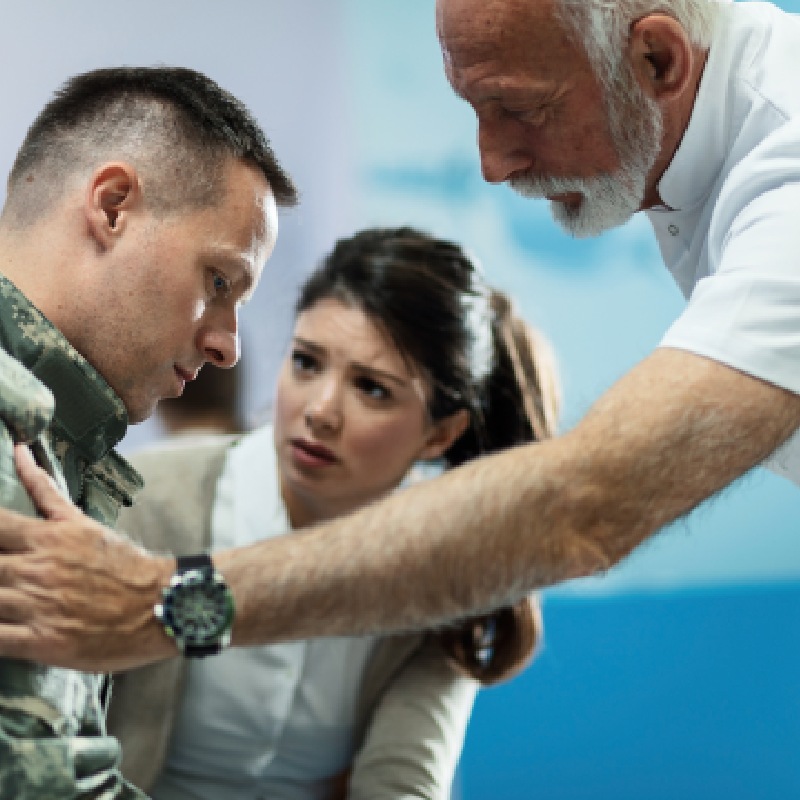
There are various symptoms that a person can experience in such a case. He might relive the event in the mind, or have disturbing negative thoughts. There can be enhanced emotional arousal. Some people might face insomnia or angry outbursts. They might also face trouble concentrating, etc. So, all this can lead to addiction in veterans, for which treatment is an absolute necessity.
For most of the veterans, addiction treatment starts with detox. Detox is the process of helping a person safely get through the effects of alcohol or drugs leaving the body. It helps remove harmful substances and manage withdrawal symptoms. Veterans who are dependent on alcohol or drugs do better in a professional detox center. Here, the benefit is that the doctors and nurses can monitor them 24 hours a day. They keep them as comfortable as possible, and this helps them stay focused on recovery.
Some veterans move from detox into inpatient rehab, while others may start their recovery there. Inpatient rehab, also called residential treatment, means staying at the treatment center while receiving care. The program can last from a few weeks to several months. During this time, veterans take part in different types of therapy, including one-on-one counselling, group therapy, and family therapy. If needed, doctors may also include medication as part of the treatment plan.
Akin to inpatient treatment, there is also availability of outpatient treatment options for patients dealing with alcoholism and substance abuse. Outpatient treatment can be a good choice for veterans who can work on their recovery while living at home and continuing with their everyday responsibilities.

There are different types of outpatient programs, including partial hospitalisation programs (PHPs), intensive outpatient programs (IOPs), and regular outpatient treatment. Each option offers a different level of support and treatment intensity depending on whatever are the needs of a patient.
Using VA programs can be a great way to help cover the cost of addiction treatment. The VA healthcare program pays for many treatment services, including care provided at VA facilities and, in some cases, at approved hospitals or clinics outside the VA.
If you’re a veteran and don’t have health insurance, there may still be other ways to get help. You may be able to pay for rehab on your own, look into state-funded treatment centers, or find programs that offer free or low-cost rehab services. If you’re worried about out-of-pocket expenses, it’s worth asking treatment centers about affordable payment options and financial assistance programs.
Veterans can receive detox, inpatient rehab, outpatient treatment, counselling, and support groups, depending on their requirements.
Yes. Outpatient addiction programs allow the veterans to live at home while attending treatment sessions during the week. These programs are ideal for people who find it hard to leave their day-to-day work, but they still want to seek treatment.
Ans. The length of treatment varies depending on the severity of the case and the need of the patient. Some programs last a few weeks, while there are others that may continue for several months.
Yes. Most programs include individual counselling, group therapy, and sometimes family therapy to support recovery. Without the support of family, it is hard to recover. This is the reason that most veteran addiction treatment plans include family therapy.