
Posted On : February 9, 2026
Addiction Recovery Sponsor’s Guide to Supporting a Loved One with PTSD and Addiction
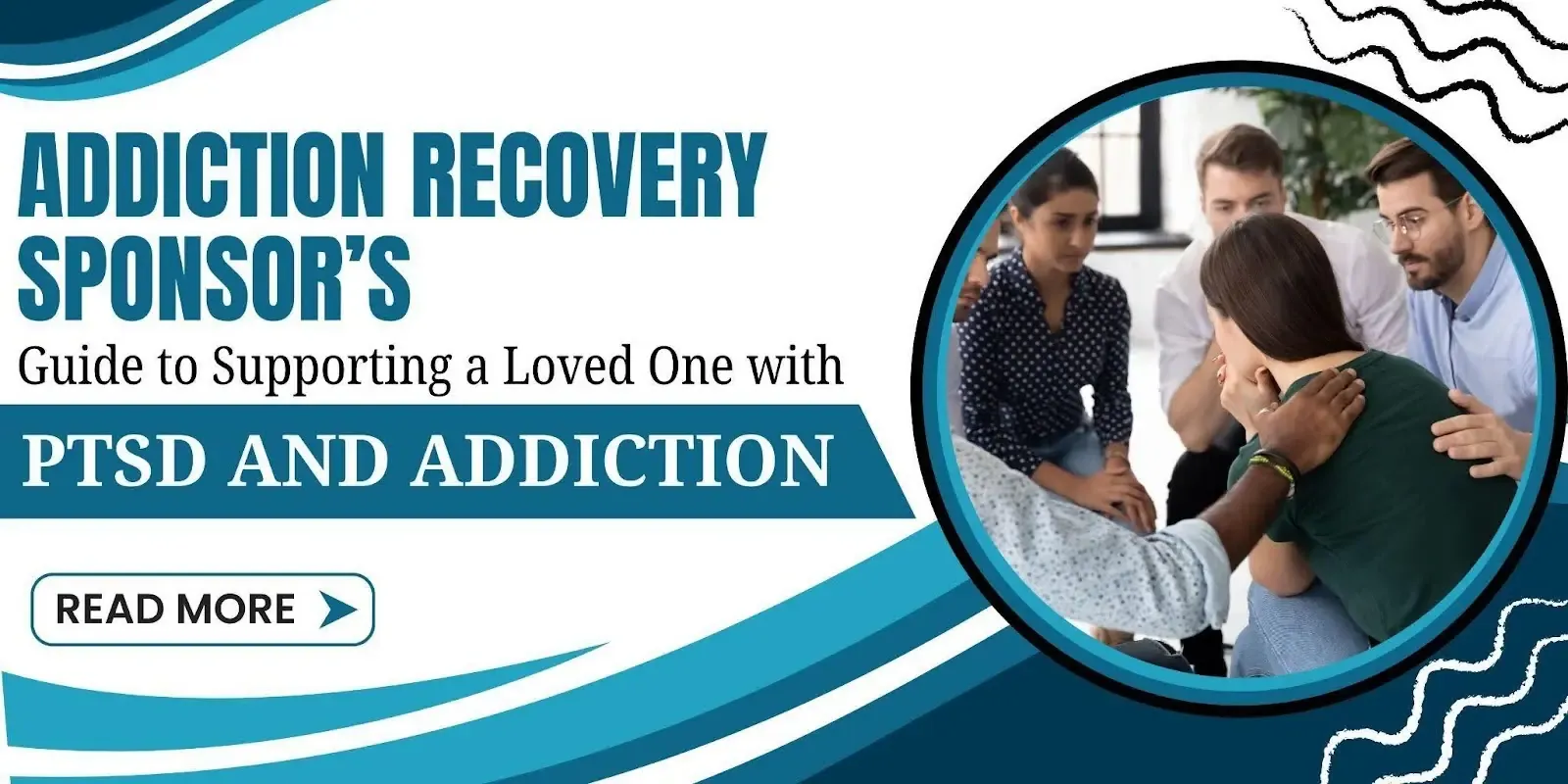
Addiction recovery can be a challenging journey, and having a sponsor can truly make a major difference in achieving long-term sobriety. Sponsors play a very important role in guiding people through recovery, providing emotional support, and helping you stay accountable. But when addiction is coupled with post-traumatic stress disorder, the recovery process becomes even more challenging.
If an individual has co-occurring PTSD and addiction, they might face unique struggles, including heightened emotional stress, relapse triggers linked to trauma, and difficulties in trusting others. For an Addiction Recovery Sponsor like you, have a detailed approach that is trauma-informed and also tailored. In this guide, you can learn everything about how addiction recovery sponsors can effectively support you with addiction.
When you call our helpline, an admissions navigator is there to listen to you, answer any questions you have, and provide the support that you need—all 100% confidentially.
Being a sponsor for someone requires a lot of skills and sensitivity. Here are some of the top qualities of an addiction recovery sponsor that you should have.
Empathy and understanding of PTSD symptoms and triggers
It manifests through flashbacks, nightmares, or even emotional numbness. As a sponsor for drug addicts, you need to have a deep sense of empathy and also recognize the emotional pain that underlies the addiction. Understanding that certain environmental situations can trigger PTSD symptoms helps you avoid unintentionally worsening the distress.
Trauma-informed communication skills
Trauma-informed communication includes being mindful of how language and interactions impact somebody with PTSD. You should use nonjudgmental, validating, and compassionate language. For example, you need to move on from the past. A more supportive approach is I can see how much pain this has caused you, and I’m always here to help you. By being aware of trauma-sensitive language, you can help the sponsee feel safe and understood.
Patience and the ability to create a safe space
People with PTSD might struggle with trust, especially because of the trauma caused by abuse or betrayal. As a sponsor of alcohol recovery, you must be patient and willing to offer support without pressure. Creating a safe space basically includes allowing the spawning sea to open up at its own pace. You need to respect boundaries and personal space.

Not all addiction recovery programs are equipped to handle PTSD-related issues. A knowledgeable addiction recovery sponsor near me should be familiar with dual diagnosis programs. Having this knowledge makes it very easy for you to guide the sponsee toward effective treatment and coping strategies.
You need to know that as an Addiction Recovery Sponsor, you work as a role model in recovery to effectively support someone with addiction, you must have your own solid recovery foundation. Demonstrating healthy coping mechanisms like mindfulness exercise and therapy can inspire the sponsee to adopt similar strategies.
We’ll instantly check the coverage offered by your insurance provider.
Before you choose to become a sponsor for drug addicts, it’s very important for you to understand what PTSD is all about. PTSD is actually a mental health condition that develops after exposure to a traumatic event like combat, sexual assault, childhood abuse, or even a natural disaster. Some of the common symptoms include flashbacks, nightmares, or distressing thoughts. There can be feelings of guilt, shame on emotional numbness also at times. Some other symptoms include increased anxiety, difficulty sleeping, or heightened startle response.
This can lead to self-medication, where individuals are likely to use substances or other elements to suppress anxiety or nightmares. Emotional numbness or avoidance might even prevent full participation in recovery programs.
Building a strong sponsee and sponsor alcohol recovery relationship
Trust is a very important part of the sponsor relationship, especially with people dealing with PTSD who might struggle with trusting others.
Healthy boundaries ensure that both you and the sponsee have a respectful relationship. Some of the boundaries include clearly defining the role that you can offer support, guidance, and accountability. You should be mindful of emotional exhaustion.

People with PTSD might often feel misunderstood or dismissed. You should practice active listening by maintaining eye contact and using affirming body language. You should repeat key points to show understanding.
Being a sponsor for someone with PTSD and addiction is a really challenging and also rewarding role. By fostering trust using trauma-informed communication and creating a supportive environment, you can greatly impact your sponsees’ recovery journey. Understanding PTSD and its influence on addiction recovery allows you to approach the role with empathy and resilience. Encouraging healthy coping mechanisms, avoiding triggers, and integrating professional trauma therapy are really important to help people achieve long-lasting sobriety.