
Posted On : July 8, 2026
Alcohol Rehab for Men: Why Gender-Specific Treatment Leads to Higher Success Rates
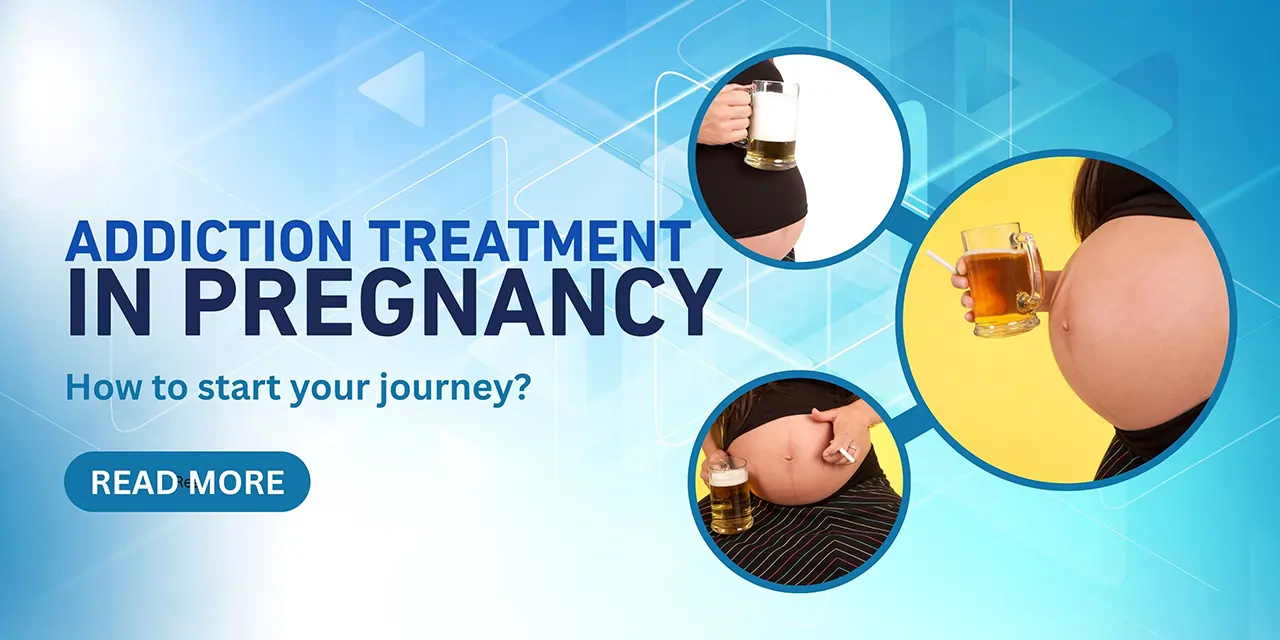
When it comes to addiction, anyone can be affected by it. Now, a woman may get pregnant while she is addicted to alcohol or any other kind of substance. This will put not only her but also her unborn to a grave risk. Several places offer Addiction Treatment During Pregnancy.
When you join an alcohol and drug rehab program for pregnant women, you get a safe environment for addiction treatment. The drug rehab for pregnant women offers detox so that there is no danger to the patient or her child. You can go for either inpatient or outpatient treatment as per your condition and need. Addiction Treatment During Pregnancy gives both the woman and her baby the best possible chance for a safe and healthy pregnancy.
Addiction is common, and even pregnant women are prey to it. Studies have shown that a whopping 17 million people have issues with alcohol addiction, and almost 25 million misuse illegal drugs and prescription medicines. As a matter of fact, women who come to rehab centers, almost 5% of them are pregnant.

The scary part of addiction is that during pregnancy, alcohol, drugs, and other harmful substances can pass from the mother to the baby. Now, the chances of a stillborn become huge. To protect the foetus, the mother must be safely weaned off such harmful substances, and this is why there is a need for Addiction Treatment During Pregnancy.
If a woman is addicted to alcohol or any kind of substance during pregnancy, there can be a wide array of symptoms that she might demonstrate. Once she goes in for the treatment, it can help minimise risks.
A woman with addictions is more prone to migraines, seizures, high blood pressure, etc. She might display changes in eating and sleeping habits. Also, her personal hygiene can be bad. She might miss school or work. There can be difficulties with family and friends. Furthermore, she might demonstrate a loss of interest in activities that were once important. During pregnancy, drug use can be especially harmful because it can affect the baby’s growth and development. It may increase the risk of low birth weight, birth defects, premature birth, small head size, withdrawal symptoms after birth, and sudden infant death syndrome (SIDS).
Babies exposed to drugs during pregnancy may also experience withdrawal symptoms after birth, including blotchy skin, diarrhoea, excessive crying, fever, irritability, poor feeding, rapid breathing, a fast heart rate, seizures, and slow weight gain. Seeking treatment during pregnancy can help reduce these risks and improve health outcomes for both mother and baby.
When you call our helpline, an admissions navigator is there to listen to you, answer any questions you have, and provide the support that you need—all 100% confidentially.
When a mother drinks alcohol during pregnancy, it can be harmful to both the mother and the developing baby. It hugely amplifies the risk of miscarriage, stillbirth, and a variety of lifelong physical, behavioural, and learning difficulties. When alcohol passes from the mother’s bloodstream to the baby through the umbilical cord, it can affect the growth of the baby and his/ her brain development.
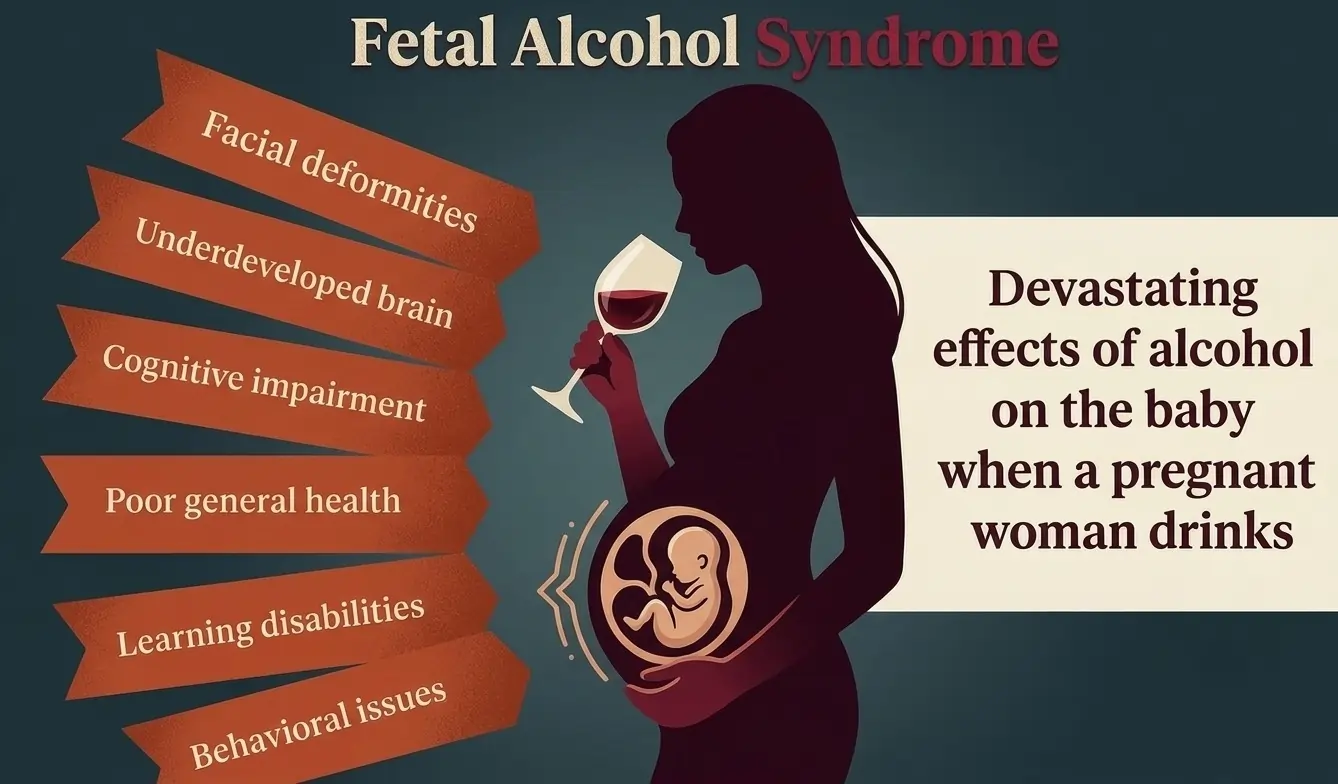
This impact on the baby due to alcohol is called fetal alcohol spectrum disorders (FASDs). Children affected by FASDs may have unusual facial features, a smaller head size, shorter height, low body weight, and poor coordination. They may also experience hyperactivity, difficulty paying attention, memory problems, learning disabilities, speech and language delays, and challenges with reasoning and judgment. Some children also demonstrate intellectual disabilities. They can have vision or hearing problems, etc. Health issues related to the heart, kidneys, or bones are also seen in such children.
Several drug and alcohol rehabs are meant for pregnant women. You can visit on gorehabs and choose the one that suits your needs. All these programs keep your information private and confidential. They understand the struggles of a pregnant woman with drug and alcohol addiction and help them overcome addiction. Most of the pregnancies are unplanned, so they fully realise what a lady is going through and do not judge the person.
When a pregnant lady goes to a rehab, it is a chance for a better life for both the woman and her child. When you go to a rehab, it equips you to better handle triggers post-pregnancy and stay sober. They also help women deal with post-partum depression, thus ensuring that she does not slip into addiction later on.
Consuming any kind of addictive substance while breastfeeding can be extremely dangerous. It can lead to seizures or even tremors in the child.
When a woman chooses to go for comprehensive addiction treatment during pregnancy, it ensures long-term recovery and sobriety.
Detox is usually the first step in recovery from alcohol or drug addiction. During pregnancy, detox is especially important because both the mother and the baby can be affected by substance use. Detox is the process of clearing alcohol or drugs from the body, but it should never be done without medical supervision during pregnancy.
Pregnant women who need detox should receive care in a hospital or another medical facility where doctors and nurses are available 24 hours a day. Medical staff can closely monitor both the mother and the baby, manage withdrawal symptoms, and respond quickly if any complications occur. In some cases, doctors may prescribe medication to help reduce withdrawal symptoms and cravings.
Detox is usually the first step in recovery from alcohol or drug addiction. During pregnancy, detox is especially important because both the mother and the baby can be affected by substance use. Detox is the process of clearing alcohol or drugs from the body, but it should never be done without medical supervision during pregnancy.
Pregnant women who need detox should receive care in a hospital or another medical facility where doctors and nurses are available 24 hours a day. Medical staff can closely monitor both the mother and the baby, manage withdrawal symptoms, and respond quickly if any complications occur. In some cases, doctors may prescribe medication to help reduce withdrawal symptoms and cravings.
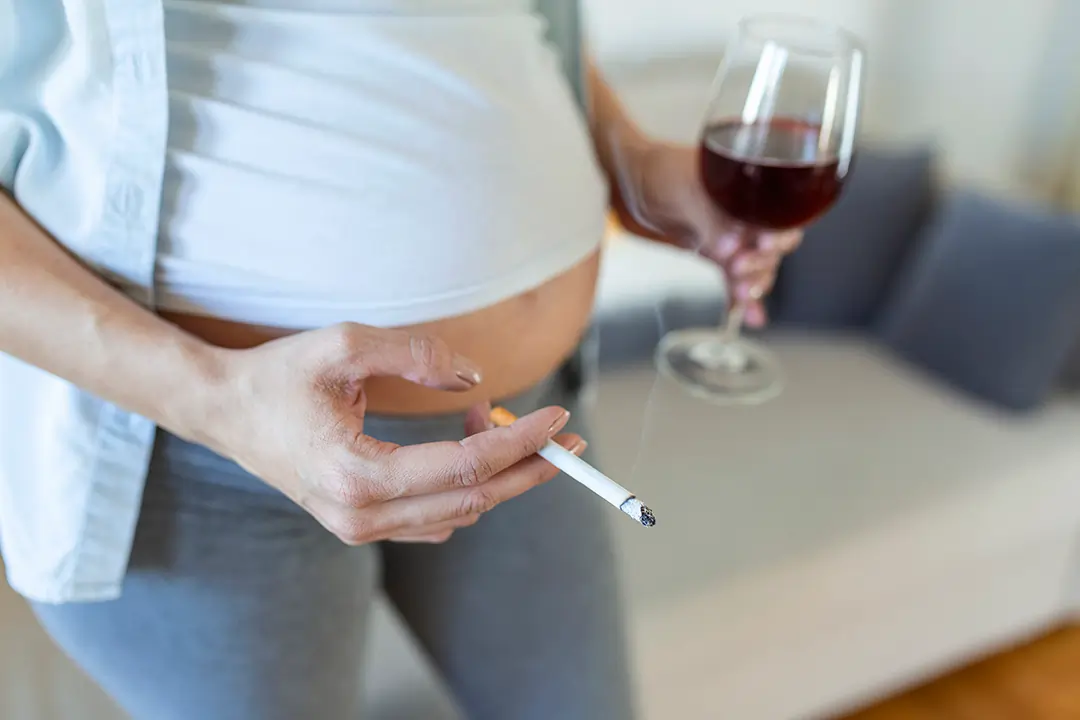
For example, a pregnant woman with severe alcohol dependence may need medication to prevent serious complications such as seizures. The decision to use these medications is made carefully by healthcare providers after weighing the potential benefits and risks. Because alcohol and drug withdrawal can sometimes be dangerous or even life-threatening, professional treatment is the safest option for both mother and baby.
For a healthy pregnancy, addiction treatment if you are addicted to any kind of substance, is a non- negotiable for the health of both the mother and the child. The treatment can help the mother understand the reasons behind her addiction, and she will also learn healthier ways to cope with stress.
Many treatment programs for pregnant women offer services such as counselling, parenting classes, prenatal care, addiction therapy, life skills training, and job support. Some women also need help with mental health conditions such as anxiety or depression. The alcohol addiction treatment can address both issues together. If you are pregnant and struggling with drug or alcohol use, getting help now can improve your health and support your baby’s growth and development. It is never too late to start treatment and make positive changes.
A rehab program for pregnant women is specifically designed to cater to needs of pregnant women. It understands what challenges they are facing and offers them the right of assistance so that they find their way out of addiction.
The duration of the treatment depends on needs of the patient. For some just a few weeks are enough whereas for some women they need to stay at the treatment center for the entire length of their pregnancy.
Once a woman is able to recover from addiction, she can lead her normal life without fear of falling back into dungeon of addiction. However, it is recommended that she should visit the facility as pregnancy and child bearing are stressful events and can trigger relapse in some cases.