
Posted On : July 25, 2025

The Alcoholics Anonymous Factor: How AA’s Anonymity Fosters Recovery
Alcoholics Anonymous

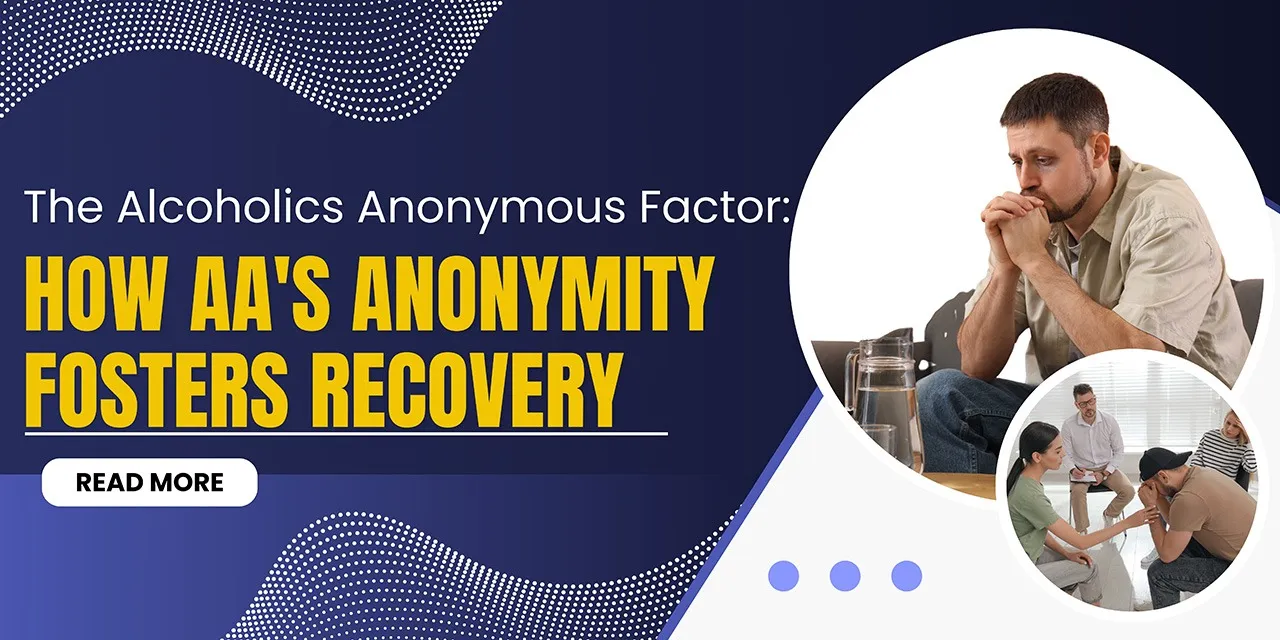
Alcoholism alienates individuals with guilt, fear, and shame. AA offers a warm, non-judgmental environment of anonymity where individuals can open up and heal with others. Alcoholics Anonymous is a global fellowship based on trust, empathy, and anonymity, which offers hope and a sense of belonging to members.

What is Alcoholics Anonymous?

The very first AA meeting was organized in 1935 in Akron, Ohio, by Bill Wilson and Dr. Bob Smith. The pair began the movement on the basis that mutual assistance compels people towards achieving permanent sobriety. It was a grassroots movement first, and eventually an international fellowship. The alcoholic anonymous program provides sobriety to the alcoholic and persuades others to follow along. Thousands of meetings are held every week worldwide.

There are no dues or fees to be collected, and members can leave and go whenever they choose. Shared experiences and personal stories are the basis for recovery and mutual anonymous alcohol help.

AA covers the anonymity of its members. The organization treats alcoholism as a disease that can be treated and offers a comprehensive program to be followed without medical physicians being involved. AA promotes individual responsibility and self-reliance. It also aims to secure ongoing support rather than an instant solution.

Our navigators will help you take back control of your life.

When you call our helpline, an admissions navigator is there to listen to you, answer any questions you have, and provide the support that you need—all 100% confidentially.

Call +1(949) 325-7994

Why AA’s Approach Still Works Today

Alcoholics Anonymous provides a simple, spiritual, and human-centered path to recovery. It stresses anonymity, welcomes world-wide access, and inspires lifelong care through systematic steps, peer affinity, and adaptable, belief-supportive principles.

  • Emphasizes relationship, not clinics
  • Provides step-by-step management
  • Encourages accountability via peers
  • Free and accessible worldwide
  • Open to all beliefs and cultures
  • Adapts to contemporary needs

The Power of Anonymity in AA

Anonymity conceals members’ identities and personal details. It provides a secure platform for sincere and true disclosure. Anonymous action decreases the threat of social stigma and discrimination. This also promotes vulnerability without censure. Anonymity encourages members to trust one another and enables individuals to freely speak about their problems.

Anonymity also facilitates confidentiality outside of meetings. Anonymity prevents gossip and unauthorized disclosure. Emotional restoration is also facilitated by the organization through confidentiality. Anonymity also facilitates equality; nobody judges based on past behaviors. Anonymity allows new members to feel free to join.

Anonymity assists in having a non-intimidating setting for personal development. It keeps the recovery focus rather than the members’ histories.

AA’s Roadmap to Recovery

12-step anonymous programs are very helpful when it comes to fighting against addiction. The following are steps for AA Anonymous recovery:
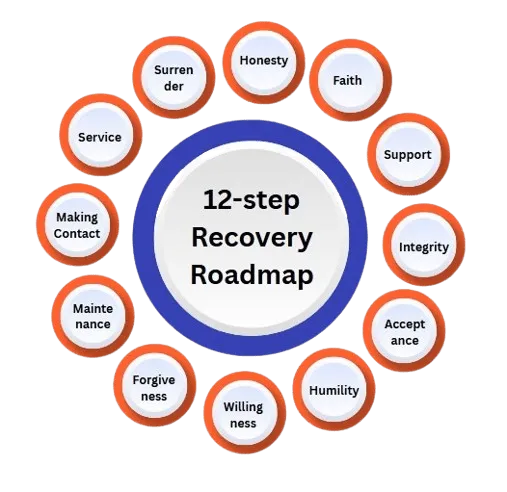
  • Acknowledge that you can’t manage your drinking anymore
  • Acceptance that you can’t do it alone
  • Believe in something above yourself to take control
  • Turn it over and let the higher power determine the course
  • Get honest, look at past mistakes and shortcomings
  • Admit those shortcomings openly to yourself and someone you trust
  • Be ready to change the part of you that prevents you from doing better
  • Apologize to anyone whom you have hurt whenever you can
  • Continue checking in with yourself and taking responsibility for new mistakes
  • Focus on inner peace and spiritual development
  • Support those still struggling on their journey
  • Continue to get better each day and forgive yourself and others

Check to see if your insurance is in-network at an American Addiction Centers location

We’ll instantly check the coverage offered by your insurance provider.

Call +1(949) 325-7994

    Types of AA Meetings and How to Access Them

    • Open Meetings: They are open to all, friends and family, giving a window into the AA process and support from alcoholics themselves and their relatives.
    • Closed Meetings: Keeping membership within those afflicted with alcoholism, providing a closed, private space for raw honesty and shared experiences among members.
    • Speaker Meetings: Where members share personal accounts of recovery, giving hope, inspiration, and true-life testaments of change through AA’s 12-step program.
    • Discussion Meetings: Members discuss personal recovery issues or steps, allowing open discussion, peer education, and encouragement throughout the healing process.
    • Step Meetings: Works on one of the 12 steps specifically, teaching members to understand and apply each concept to their recovery process.
    • Big Book Meetings: Members read and discuss the AA Big Book, applying its teachings and anecdotes to share recovery decisions.
    • Women-only or Men-only Meetings: Provide a comfortable, gender-separate atmosphere for open discussion and support without embarrassment or fear of judgment.
    • Young People’s Meetings: For younger members to meet with others, discuss mutual concerns, and mature in recovery together.
    • Online Meetings: Accessible through the internet, providing flexible, geography-free support to members who cannot meet face-to-face.
    • Phone Meetings: Convenient for those unable to travel or utilize the internet, keeping members connected by voice
    • Spanish-speaking & Multicultural Meetings: Offer language-specific and culturally sensitive support to make everyone feel heard and included in their recovery.
    • Outdoor or Walking Meetings: Conducted outdoors, these meetings entail carefree movement in addition to good conversation and support.
    • Temporary or One-time Meetings: For guests or travelers, these provide timely support with no long-term commitment.
    • Workshops and Retreats: Provide intense recovery experiences, with education, connection, and intense healing away from the ordinary routine.
    • Accessibility-centered Meetings: Provide accommodations and support necessary by people with disabilities to enable them to participate in meetings as a whole.
    • Local AA Searches: Assist people in locating nearby meetings immediately via searching “alcoholics anonymous near me” by time, type, or requirement.

    Support Beyond the Individual: Alcoholic Anonymous for Family

    Alcoholism must also be assisted by families. Al-Anon is the same kind of fellowship for relatives and friends. It tries to provide an understanding of how addiction affected loved ones. Alcoholics Anonymous offers literature on alcoholism and recovery. It sets a guilt-free atmosphere for family members. The organization also educates healthy communication skills.

    It also teaches coping skills for stress and anxiety. It assists in helping families rebuild trust and relationships. The organization aids children of alcoholics with specific interventions as well. Alcoholic anonymous for family supports and facilitates boundaries and self-care in family members. It provides peer support from individuals who have had similar experiences.

    It encourages recovery without enabling the addiction. AA offers group and family workshops. The organisation eschews codependency and burnout. It is a means of involvement in addition to AA’s recovery process. The organisation also offers intervention and crisis management tools.

    How Gorehabs Enhances the AA Experience

    Gorehabs complements the alcoholic anonymous program with individual support, emotional wellness resources, family involvement, and professional counseling—filling the need between clinical treatment and community care for a smoother, healthier path of recovery.

    • Assists in finding local “alcoholics anonymous near me” meetings
    • Provides individualized mentoring with AA support
    • Provides daily calls for increased accountability
    • Screens family counseling sessions and support group workshops
    • Empowers education on effective relapse prevention strategies
    • Provides starter kits with new member resources
    • Includes mental illness as well as recovery from addiction needs
    • Coordinates with medical professionals when they are needed most
    • Strict confidentiality and member anonymity discipline

    Additional Tips for Making the Most of AA

    If you want to make the most of anonymous alcohol help, follow these tips:

    • Regular attendance at meetings for continued support
    • Being led through the 12 steps by a sponsor
    • Openness and respect in meetings
    • Participation in service work for building rapport
    • Success in small personal recovery steps
    • Active use of meeting materials and resources
    • Avoiding triggers and building sober living
    • Seeking assistance during relapse or cravings
    • Maintenance of the AA network between meetings
    • Patience and persistence
    • Accreditation of small successes along the way
    • Prioritize personal progress over perfection
    • Give back by sharing your story to inspire others
    • Maintain physical and mental well-being
    • Keep in mind that relapse is closer to victory, not failure

    Conclusion

    Recovery starts with the courage to seek help. AA’s anonymity creates a safe community for healing without fear. Combining AA’s fellowship with Gorehabs professional assistance builds a strong foundation for lasting sobriety. Search “alcoholics anonymous near me” and take your first step toward a sober future today.