

Posted On : May 12, 2026
From Patient to Peer: The Power of Mentorship in Long-Term Recovery
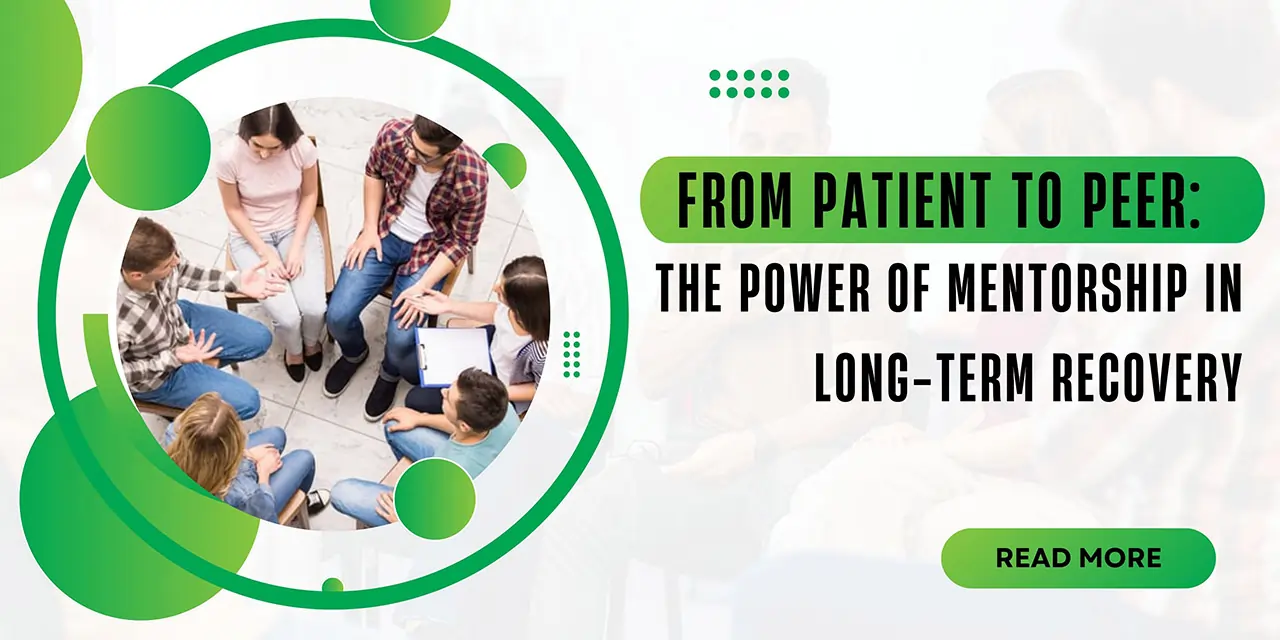
Recovery from substance abuse or alcoholism is not an easy feat. What holds importance in this path of recovery is the mentorship that you get. There is nothing that can undermine the power of mentorship in long-term recovery. Mentors play a vital role in the recovery process. They offer the much-needed support as well as guidance. This can be due to their experience or due to the shared experiences.
They offer a unique insight into how to navigate addiction and help in long-term recovery.When somebody understands your mental health challenges,it lends you hope as well as motivation.So, mentorship programs have tremendously helped individuals who are seeking sobriety. These relationships not only transform lives,but they also make the journey to sobriety easier for a lot of people.
When you call our helpline, an admissions navigator is there to listen to you, answer any questions you have, and provide the support that you need—all 100% confidentially.
When people who have gone through similar kinds of experiences offer guidance and support that is non- professional in nature, that is what is referred to as peer support. Peer support is an important element of treatment for those who are overcoming alcoholism or substance use disorders. Such as connection leads to empathy as well as an enhanced sense of emotional understanding. Both of these are vital during the recovery process. People who are part of peer support groups experience heightened self-efficacy alongwith diminished feelings of shame, and these are the things that facilitate long-term recovery.

Both peer mentorship and professional therapy aim to achieve common outcomes. The difference is in the role played by different people in the process of recovery. Peer mentorship has its base in shared experiences, so that patients receive camaraderie and increased understanding. The peer-to-peer relationship offers better accountability, so the rate of relapse is low. Studies have shown that people involved in peer mentorship programs have a 45% higher chance of staying sober as compared to regular treatment programs. In professional therapy, there are structured interventions that address the mental health issues along with addiction complexities.
When it comes to recovery from addiction, the baton is held by support groups. They offer the right kind of support that minimises the chances of relapse. The patient becomes less anxious and more confident that he or she will be able to stick to the right path. When you have a robust network of individuals that understand you, such as your family, friends, peers, counsellors, etc., you tend to get rid of addiction faster than you think.
Having support from friends and family really helps people stay motivated and feel like they belong, which is super important during recovery. Many people dealing with addiction feel alone, and that loneliness can sometimes lead to relapse. That’s why having people around who care makes a big difference.
Being part of sober groups and activities also helps people have fun and connect with others without using substances. It reminds them that they can healthily enjoy life, alongside others who understand what they’re going through.

Basically, these supportive relationships help people believe in themselves more. That confidence makes it easier to handle tough situations and stay on track with their recovery for the long run.
Now we will discuss in detail the benefits of peer mentorship in recovery.
Peer mentoring is a very important element of addiction recovery. When an individual gets in touch with someone who guides them through shared experiences, the path to sobriety becomes easier. The supportive environment helps them to open up about what they are feeling, their struggles, etc.This helps them adopt strategies for maintaining sobriety.
We’ll instantly check the coverage offered by your insurance provider.
Mentors who’ve been through recovery themselves understand what it is really like to be an addict. They share practical advice on the basis of their own experiences. This makes it easier to deal with things that show up during the recovery process. Things such as handling a crisis, fixing up small achievable goals, and building healthy relationships become part of the process. Over time, this helps people to grow and manage their lives better.
People who have peer mentors often stay more engaged in their recovery. Studies show they are much more likely to complete treatment and continue staying sober afterwards. Programs like Mentorship for Addiction Problems (MAP) have shown that people with mentors tend to use substances less than those who go through treatment alone. This shows how having someone guide and support you can make a real difference.
Peer mentoring makes people feel connected and valued. Rather than feeling alone, they feel that they are a part of a community. And this is the community that understands their struggles without looking down upon them or undervaluing them. When you get this sense of belonging, the isolation that can lead to relapse just goes out of the window. With the right kind of mentors, people undergoing treatment are able to build long-term relationships. This way, they have a network of people with them whom they can rely upon.
So, if you or anyone close to you needs addiction treatment, log on to gorehabs.com and get to know about the best treatment options for you. Get in touch with the best peer recovery mentor and tread on your recovery journey with confidence and zeal.
In your pursuit of a suitable mentor, you can fix up virtual meetings. This will help you decide the most apt person for you, thus facilitating a fulfilling and effective mentorship journey without someone with whom you can be comfortable. You should also explore sponsorship opportunities. If you want your recovery journey to be successful, ongoing support is pertinent, and this is what you get in a peer mentorship program. These non-judgmental support spaces promote honesty by removing vulnerability. When a bond of understanding is fostered, recovery becomes an achievable goal.